
Is Polysulfone a Safe, Biocompatible Plastic?
Polysulfone (PSU) is one of a limited group of high-performance polymers with biocompatibility credentials for a wide range of healthcare applications. Two versions of the polymer serve distinctly different types of biocompatible medical devices. The distinction is based on the length of time the medical device, and therefore the polysulfone polymer, will be in contact with internal bodily tissue and fluids.
Benefits of Polysulfone for Medical Devices
Polysulfone is a slightly tinted transparent polymer in its natural state, and can be readily custom-colored. Its inherent attributes include toughness and ductility, good overall mechanical properties, and retention of properties after multiple sterilization cycles in most standard processes. It is also available in the form of pelletized resin for injection molding and as extruded rods and plates for precision machining. These characteristics are common to both the standard medical grades and the implantable version of the polymer.
Short-Term Implantable Medical Grade Polysulfone
Standard grades of polysulfone have been specified for decades in devices that meet requirements for short-term exposure, which equates to suitability for internal tissue and fluid contact for up to 24 hours. They are often referred to as medical grade plastics. Udel PSU from Syensqo is a well-known commercial brand. Applications include rigid tubing and components for dialysis machines where transparency is important. Its resistance to multiple sterilization cycles, its toughness and its availability in health care colors are behind its specification for instruments in surgical kits.
Long-Term Implantable Grade Polysulfone
A unique specialty polysulfone grade has also been developed by Syensqo with the biocompatibility and cytotoxicity credentials required for long-term implantable devices. Commercialized as Eviva PSU, it extends the benefits of the polysulfone polymer to devices that have longer or permanent contact with bodily fluids and tissue.
As is characteristic of the polysulfone polymer, the implantable grade does not absorb moisture. It also affords artifact-free MRI imaging, and its transparency provides a previously unavailable benefit for long-term implantable devices where visual monitoring or observation is desirable. Application examples that capitalize on this benefit include components of implanted drug delivery systems, and pacemaker headers where transparency facilitates electrode placement during the implantation procedure.
Medical Device Applications for Polysulfone
Polysulfone’s biocompatibility has been demonstrated in a variety of medical devices.
Short-term implantable polysulfone grades of the material have had a long history in applications that require biocompatibility for up to 24 hours’ exposure to bodily fluids and tissue. Typical devices that take advantage of the material’s transparency include:
- Components and tubing for dialysis machines
- Cardiovascular stents
- Filtration membranes
- Blood oxygenators
Long-term implantable polysulfone in both opaque white and the transparent version is also gaining ground with developments in several application areas including:
- Cardiovascular and neurovascular device access and infusion ports
- Pacemaker headers
- Drug delivery systems implanted longer than 24 hours
- Dental devices
Other health care medical applications for polysulfone include housings for medical equipment, medical fittings and connectors, sterilization trays and surgical instruments. In addition to contact safety, polysulfone is ideal for those applications because the medical polymer also offers considerable strength, toughness, and sterilization resistance. It is often specified for its cost-effectiveness in applications where higher performing and higher cost polymers may be beyond the realistic requirements or the practical life of an instrument or device. For a fuller list of benefits, see the advantages of polysulfone in medical devices.
Biocompatible Grades of Polysulfone for Injection Molded and Machined Components
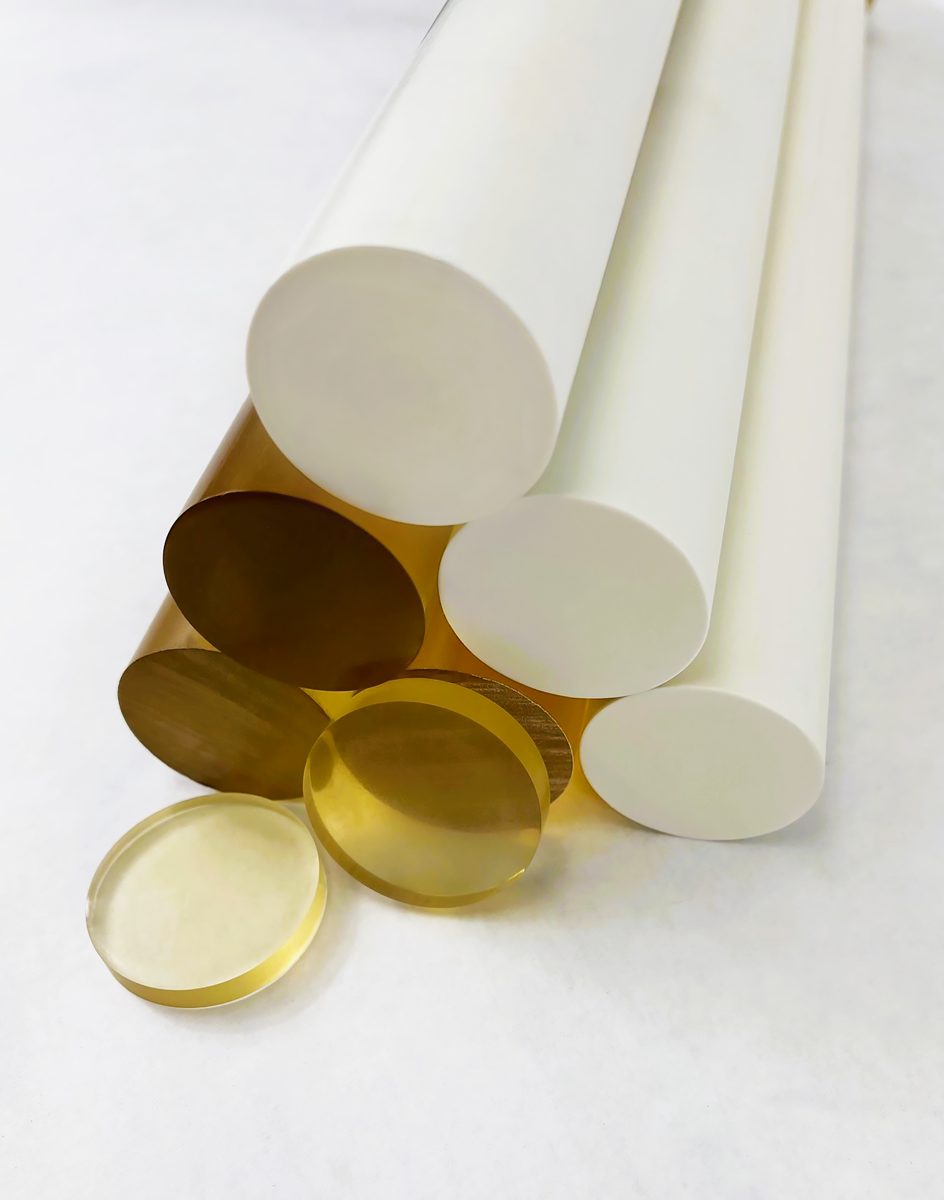
Polysulfone is readily available in medical and long-term implantable grades in pelletized form for injection molding and as stock shapes for machined components. Eviva PSU, the long-term implantable grade, is offered in a light yellow transparent tint and opaque white. Standard medical grade polysulfone is available as shapes and injection molding resins in both the transparent tint and in a wide range of custom healthcare tints and opaque colors.
Polysulfone Biocompatibility Related to FDA and USP Safety Standards
The FDA and United States Pharmacopeia (USP) publish biocompatibility standards and guidance for materials in both healthcare and pharmaceutical applications. Before a medical plastic can be utilized in long-term implantable applications, it must pass a battery of tests to satisfy the related safety requirements, which include:
- Sensitization and irritation: Samples of the medical polymer are placed in contact with an animal subject and its cutaneous tissues are monitored for signs of irritation or redness. Animal subjects are checked for reactions at intervals, typically 30 minutes, 24 hours, 48 hours and 72 hours.
- Cytotoxicity: Cytotoxicity refers to a material’s capacity to cause cell damage and/or death. It’s normally assessed using in vitro cell cultures. A sample of the polymer is placed in the culture, and a cell assay is taken by the research team. The goal is to identify signs of cell death or abnormalities in the cultures.
- Genotoxicity: Genotoxic materials and substances are those that have the potential to cause genetic damage to tissues, which may lead to tumor-causing complications. Medical materials, including polysulfone, must demonstrate safety during genotoxic testing, which is often conducted using the Ames assay. During this test, various strains of Salmonella typhimurium are exposed to a material sample. Following exposure, the researchers study the bacteria for mutations. If enough mutations are noted, it’s a sign that the material is potentially hazardous to tissues.
- Acute, subacute and chronic toxicity: For implanted medical devices and healthcare devices that involve long-term patient exposure, assessing toxicity on multiple timelines is a priority. To assess this biocompatibility, researchers test polysulfone or other medical polymers on an acute, subacute and chronic basis. This involves administering material samples either subcutaneously or intravenously to animal subjects and taking tissue samples at predefined intervals. These are sent for analysis to spot any signs of toxicity.
- Implantation: Many polysulfone healthcare devices are intended for long-term implantation. The FDA requires implantable materials to undergo implantation testing, the procedures of which are defined by the USP. During implantation biocompatibility testing, samples of the medical polymer are surgically implanted in an animal subject’s tissue, typically muscle tissue. Following a brief monitoring interval, around seven days, the subject’s implant sites are analyzed for any signs of cell or tissue death, such as necrosis or discoloration.
There are additional biocompatibility tests, but these are among the most important testing protocols for medical device safety. Polysulfone plastics have passed through these tests, supporting their safe use as a biocompatible material for implantable medical devices.
Polysulfone Medical Devices and FDA Premarket Approval
The premarket approval (PMA) process is one of the regulatory paths that a medical device may pass through before it is considered biocompatible and efficacious for use in patients. PMAs are usually required for Class III devices which are responsible for supporting life or organ function, and many of these are implantable.
To pass through the PMA regulatory process, medical device manufacturers must submit an in-depth report including extensive documentation and data confirming that the medical device and the materials from which it is made are biocompatible. FDA regulators will also review patient case studies and patient data from similar medical devices or those made from identical materials.
Medical device manufacturers are also expected to provide evidence that essential safety and quality standards have been observed during design, manufacturing and testing, with ISO 13485 and ISO 9001 as top priorities.
An array of polysulfone healthcare devices have passed through the FDA’s most comprehensive regulatory and safety processes, confirming the polymer’s status as a safe, biocompatible medical material.
Expert Medical Polymer Converters Know How to Preserve the Biocompatibility and Performance Attributes of Polysulfone in Devices
Through extensive testing, decades of patient data and regulatory oversight, polysulfone’s biocompatibility and safety has been thoroughly demonstrated. As such, the polymer is currently integrated into an impressive array of medical devices.
However, medical device safety is not just about the material. How the material is converted into devices and components and the expertise and resources of the medical plastic parts supplier doing the processing can also impact device safety and performance. A capable, industry-dedicated medical plastic converter will have a quality management system aligned with essential ISO standards and the resources and experience to support MDM clients as their devices pass through regulatory gateways. Genesis Medical Plastics operates an ISO 13485:2016 and ISO 9001:2015 certified quality system at an FDA registered site.
Availability
Medical grade Udel PSU for short-term implanted devices and Eviva PSU for long-term and permanent implants are available in the form of injection moldable pellets from Syensqo, the resin producer, and as machinable rod and plate from Genesis Medical Plastics. How polysulfone compares with its tougher sulfone relative is covered in the difference between PSU and PPSU.
FAQs for Polysulfone Biocompatibility
Is polysulfone biocompatible?
Yes. Standard medical grades of polysulfone such as Udel PSU are used in devices with internal tissue and fluid contact for up to 24 hours, and the implantable grade Eviva PSU is used in devices with longer or permanent contact.
What is the difference between Udel PSU and Eviva PSU?
Udel PSU is a standard medical grade for short-term contact of up to 24 hours. Eviva PSU is a specialty grade developed by Syensqo with the biocompatibility and cytotoxicity credentials required for long-term implantable devices.
What biocompatibility tests does an implantable plastic go through?
Important tests include sensitization and irritation, cytotoxicity, genotoxicity, acute, subacute and chronic toxicity, and implantation testing.
In what forms is medical polysulfone available?
Udel PSU and Eviva PSU are available as injection moldable pellets from Syensqo and as machinable rod and plate from Genesis Medical Plastics.