Udel is Syensqo’s brand of polysulfone (PSU), a high-performance thermoplastic used in many different medical and healthcare applications. It combines impact resistance and mechanical strength, dimensional stability, hydrolytic stability in water and steam, high temperature resistance, and the ability to withstand exposure to many chemicals in the clinical environment. The natural resin has a light yellow transparent tint, and opaque healthcare colors are also available.
Udel PSU has a history of successful applications because of its combination of properties coupled with transparency, tolerance to common sterilization systems and its biocompatibility. The material can be used for devices that are implanted short-term or up to 24 hours, and its radiolucency in typical imaging methods has led to many specifications as a replacement for metal.
Most applications in Udel PSU are manufactured by injection molding for several reasons related to its performance and the efficiency of the production process itself.
What are the Advantages of Injection Molding for Producing Udel Medical Applications?
Injection molding is the primary manufacturing method for producing devices and device components in many medical plastics including Udel. It is the most efficient and cost-effective process for manufacturing high unit volumes that justify the investment in production tooling, and offers these specific benefits:
- The process maximizes output by molding parts in short cycle times.
- Multi-cavity tooling can turn out several parts in a single molding cycle.
- The proper process control system and quality management protocol can produce parts with consistent tolerances, appearance and performance, and minimal risk of rejects.
- Material utilization is high with good tool design and proper molding conditions.
- Udel material that is trimmed from parts can often be recycled at low levels into prime material when certifications and specifications permit so long as optimum molding conditions are maintained to prevent material degradation.
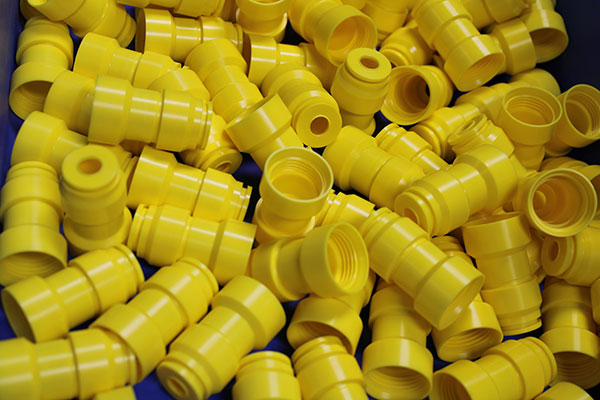
What are Typical Applications for Udel Injection Molded Parts?
Because of its impressive properties, Udel has had a long and diverse history in injection molded applications in many different industries. Applications related to its characteristics include:
- Fluid handling manifolds, valve components requiring hydrolytic stability
- Rigid tubing for equipment where Udel’s transparency and visibility of fluids are benefits
- Food and beverage components requiring FDA and USP certification or approval
- Electrical insulators, connectors and housings that rely on Udel PSU’s dielectric strength and dissipation factor
Udel’s key performance benefits also carry over into similar applications in the healthcare industry, where its biocompatibility, optical clarity and sterilization resistance add to the reasons for its use in applications like these:
- Dialysis membranes and filtration components – Udel is used extensively in dialysis and filtration membranes. According to Syensqo, more than 90 percent of dialysis membranes used in chronic kidney disease treatment are made from PSU or PESU, and Udel PSU is typically among the candidate materials for these devices.
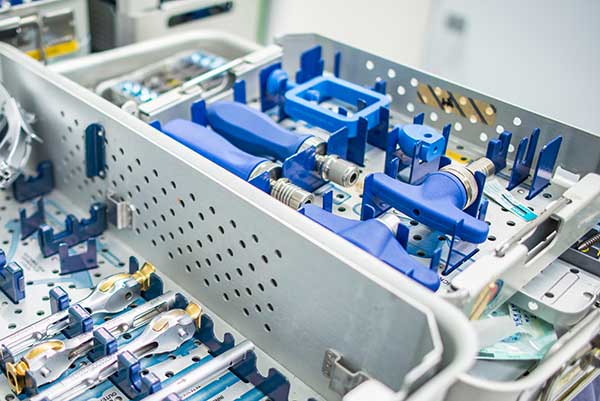
- Sterilizable medical instruments and devices – Udel’s sterilization compatibility and its property retention after repeated cycles has led to its specification for a wide range of reusable surgical instruments and diagnostic tools.
- Its availability in custom colors also makes it a choice for surgical kit instruments and devices where color differentiation is beneficial.
- Fluid transfer systems – Udel’s transparency and its compatibility with many pharmacological fluids have been behind its use in rigid tubing and fluid transfer system components.
- Sterilizable trays and cases – Udel can also be designed into highly functional injection molded sterilization trays and cases that hold complex shaped surgical tools. It maintains its toughness after repeated sterilization cycles, an asset for applications exposed to frequent impacts in handling.
Why is Udel a Frequent Choice for Injection Molded Medical Components?
Udel offers an attractive balance of cost and performance among high-performance medical plastics. Although it occupies a performance tier below PEEK and PPSU, its combination of properties and its biocompatibility easily satisfy the requirements of many healthcare applications. Its notable properties and characteristics include:
- Biocompatibility – Udel PSU is considered a biocompatible, biologically inert material for devices and instruments that have short-term (less than 24 hours) contact with internal bodily fluids and tissue.
- Sterilization resistance – PSU has the thermal and hydrolytic stability necessary to withstand multiple steam autoclaving cycles at 121oC (250oF). It is also compatible with most other methods including gamma, e-beam and EtO for a more limited number of cycles.
- Dimensional stability – Udel maintains its dimensions very well in applications where temperature fluctuations can occur, or where excessive moisture is present.
- Thermal stability – PSU has a heat distortion temperature of 174oC (345oF), which is more than sufficient for most medical device and equipment component applications.
- Chemical resistance – Udel is resistant to a wide range of acids, alkalis, salts, detergents and hydrocarbon oils, as well as commercial cleaners and sanitizing agents that are common in the clinical environment.
- Optical clarity – Because it is a transparent material, Udel is frequently specified for devices where monitoring fluid levels or visual inspection of operating components is important.
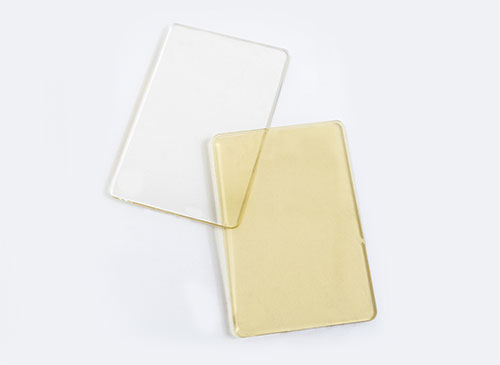
This combination of properties, cost effective performance attributes and injection moldability are behind the long history of successful Udel 1700 PSU medical device applications.
What to Look for in a Medical Plastics Injection Molding Specialist for Udel
Udel is a versatile and durable medical plastic used in a variety of demanding applications. Getting the full value from the material can be achieved by working with an injection molder who has the quality management procedures and process control technology to achieve the optimum properties of PSU and other high-performance medical plastics. Capabilities that can define a specialist in the field include:
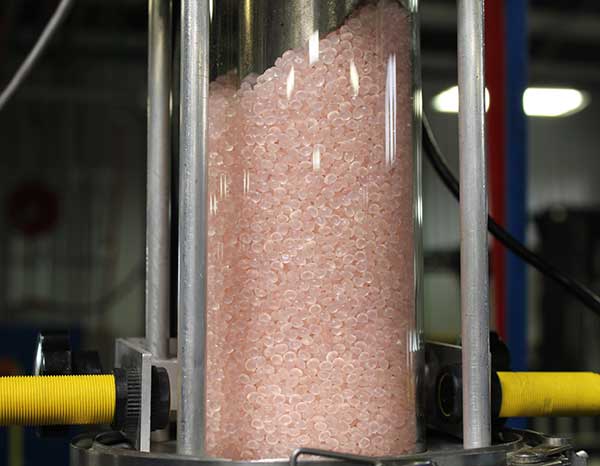
- Resin-specific dedicated dryers to avoid cross-contamination with other polymers
- Dedicated material conveying systems to avoid cross-contamination
- Process controls that instantaneously adjust to maintain ideal melt temperatures and pressures
- In-mold process control to maintain optimum pressure and temperature conditions
- Tool design, building and maintenance capabilities for quick turn-around on modifications or repairs
Some specialists are also FDA registered as device manufacturing facilities and have up-to-date ISO 13485:2016 and ISO 9001:2015 certification, all of which are assets for the production of components that require biocompatibility certifications.
FAQs for Udel in Injection Molding
Is Udel PSU biocompatible?
Udel polysulfone is considered a biocompatible, biologically inert material for devices and instruments that have short-term contact, up to 24 hours, with internal bodily fluids and tissue. Biocompatibility applies to the polymer itself. Device level qualification remains the responsibility of the device manufacturer.
What sterilization methods is Udel compatible with?
Udel has the thermal and hydrolytic stability to withstand multiple steam autoclaving cycles at 121oC (250oF). It is also compatible with most other common methods, including gamma, e-beam and EtO, for a more limited number of cycles.
How does Udel compare to PEEK and PPSU?
Udel occupies a performance tier below PEEK and PPSU, and it is usually the lower cost option of the three. For many healthcare applications its combination of properties and its biocompatibility easily satisfy the requirement. Where higher heat, higher impact or implantable service is called for, Radel PPSU or medical grade PEEK are the materials to evaluate.
Is Udel transparent?
The natural Udel resin is transparent with a light yellow tint, which is why it is specified for devices where fluid levels are monitored or internal components are visually inspected. Opaque healthcare colors are also available, and color differentiation is useful in surgical kit instruments.
Can trimmed Udel material be reused in molding?
Udel trimmed from molded parts can often be recycled at low levels back into prime material where certifications and specifications permit it. Optimum molding conditions have to be maintained throughout to prevent material degradation.
Does Genesis Medical Plastics injection mold Udel?
Yes. Genesis converts Udel and other high-performance medical polymers through injection molding, precision machining, stock shapes extrusion and film calendering. Genesis is ISO 13485:2016 and ISO 9001:2015 certified and an FDA registered site. Request a quote to discuss a Udel component.