Home - Medical Plastics Materials - Medical Grade Plastics: A Selection Guide
Medical Grade Plastics: A Selection Guide
Selecting a medical polymer is a process of elimination, and the order you eliminate in decides how much time you waste. Body contact and sterilization narrow the field faster than mechanical requirements do, so they come first.
Step 1: Body contact and duration
ISO 10993 drives evaluation from the nature and duration of contact. An implant with permanent contact, a device with limited surface contact and an instrument with no patient contact are three different material problems.
If the device is implanted, the field narrows quickly to grades with implant history and the documentation to support an evaluation. See implantable medical devices and biocompatibility and ISO 10993.
If it is not implanted, see medical plastics for non implantable devices.
Step 2: Sterilization
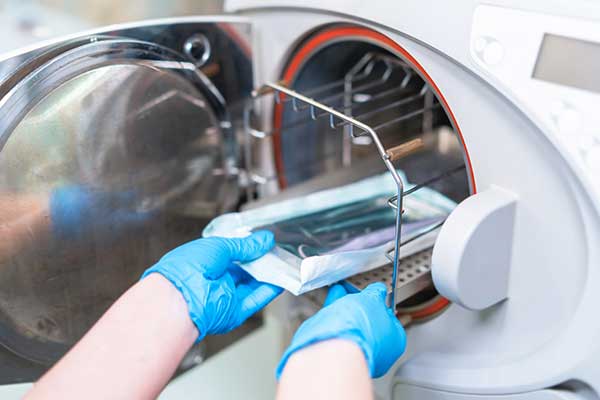
Method is usually fixed by the device family and the reprocessing environment, and it eliminates candidates faster than anything else. Repeated steam sterilization points to polysulfones. Low temperature requirements point away from autoclave and toward ethylene oxide. Ionizing methods raise their own questions.
Step 3: Mechanical and thermal requirements
Only now does the load case matter. Stiffness, impact, fatigue, creep under sustained load and service temperature. For load bearing implants, stiffness relative to bone is often the governing property rather than absolute strength. See implantable PEEK in orthopedic applications.
Step 4: Imaging and other device level requirements
Radiolucency, color, surface finish, bondability and the ability to be marked or coded. These rarely decide a material alone but they eliminate candidates late and expensively if left out.
Step 5: Conversion and volume
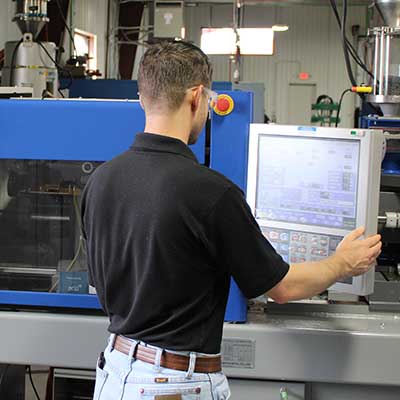
A grade that cannot be converted economically at your volume is not a candidate. Low volume favors machining from stock shapes; higher volume favors injection molding; film applications go to PEEK film.
This step is where a vertically integrated converter changes the answer, because the same grade can move between routes as volume grows. See choosing a medical polymer converter.
The families Genesis converts
Polyaryletherketones
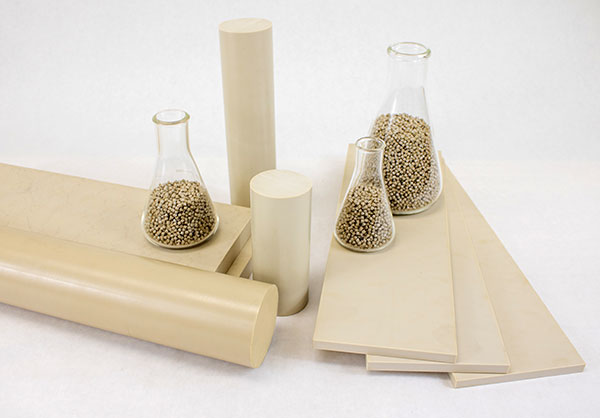
Genesis PEEK, implantable Genesis PEEK and medical grade PEEK, plus reinforced grades. ASTM F2026 compliant for implant applications. Used where chemical resistance, radiolucency and fatigue behavior govern.
Polysulfones
Radel PPSU, Veriva PPSU, Udel PSU and Eviva PSU. The reusable instrument family, specified where repeated steam sterilization governs.
Polyetherimide
Ultem HU 1000 and HU 1004, for stiffness and thermal performance in housings and components.
Polyarylamide
Ixef GS-1022, glass fiber reinforced, where stiffness and surface finish govern.
ZFUZE Biomaterial
See ZFUZE Biomaterial.
A note on what a datasheet will not tell you
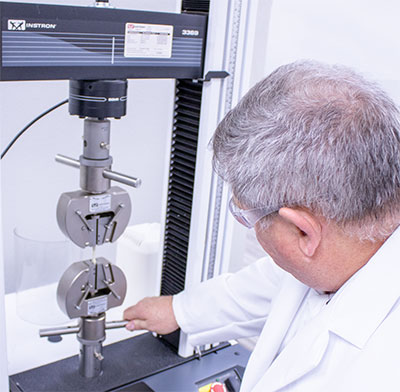
Resin producer datasheets report values measured on molded test specimens under standard conditions. Your part is a different geometry, made by a different process, with a different thermal history. Datasheet values are for screening candidates, not for predicting part performance. That is what prototypes are for. See medical device prototypes.
Talk to our engineers
Bring the contact duration, the sterilization method, the load case and the volume, and the material conversation gets much shorter. Request a Quote or contact our experts.
FAQs: Medical Grade Plastics: A Selection Guide
What is medical grade plastic?
It is a polymer grade produced and documented for use in medical devices, with the traceability and consistency a device manufacturer's quality system requires. It is not a single standard, and the term alone does not tell you whether a grade suits implant contact.
Which medical plastic should I start from?
Start from body contact and sterilization rather than from mechanical properties. Those two narrow the field fastest.
Is PEEK always the right choice for implants?
No. PEEK is widely used in load bearing implants, but polysulfones, polyetherimide and other families are specified where sterilization, stiffness or cost govern.
Can I change material after prototyping?
Yes, but it gets more expensive the later it happens, particularly once biological evaluation and sterilization validation are under way.