Implantable Polymer Systems for Medical Devices
Genesis Medical Plastics converts implantable PEEK and other high performance medical polymers into components for implantable devices at an ISO 13485:2016 and ISO 9001:2015 certified, FDA registered site in Cypress, Texas. Genesis PEEK stock is ASTM F2026 compliant and conversion processes carry IQ, OQ and PQ validations.
What Are Implantable Polymer Systems?
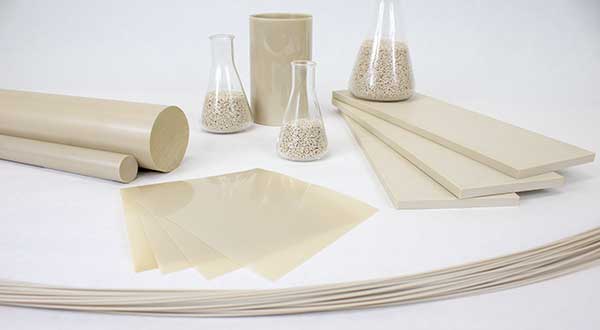
A system is more than a single part. A component is one piece with one function. A system is a set of parts that work together to deliver a clinical function, along with the documentation that lets a device manufacturer prove it does.
Written against the working definition of a functional set rather than a single part, an implantable polymer system involves three things a converter has to get right together:
- **The polymer**, specified to an implantable grade with documented compliance.
- **The parts**, converted to drawing across whatever routes the geometry demands, which in practice often means more than one conversion process.
- **The documentation**, traceable from resin lot through each conversion step, because a system with parts from different sources and different quality systems is a system nobody can qualify cleanly.
What Makes a Polymer System Implantable?
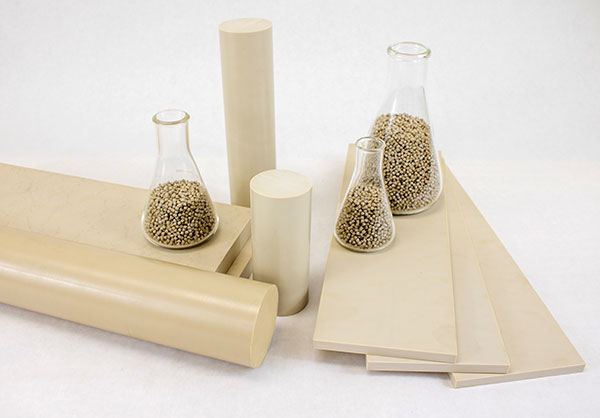
Not the polymer alone. An implantable specification rests on four things:
- **Implantable grade material with documented compliance.** For polyetheretherketone stock shapes intended for surgical implants, that standard is ASTM F2026. Genesis PEEK stock is ASTM F2026 compliant. An industrial grade of nominally the same polymer is not a substitute, because what differs is the traceability, contamination control and documentation rather than the datasheet.
- **A quality system built for devices.** ISO 13485:2016 rather than ISO 9001 alone, because the device standard adds the traceability, risk management and design control requirements that an implantable program is audited against.
- **Validated conversion processes.** IQ, OQ and PQ on the processes that actually make the part, so the material’s thermal history and the part’s dimensional behavior are known quantities rather than assumptions.
- **Biocompatibility evaluated for the actual contact scenario.** Assessment under the ISO 10993 series against the device’s contact type and duration. This belongs to the device manufacturer, informed by material data from the converter.
No material and no component carries FDA approval or FDA clearance. Genesis Medical Plastics is an FDA registered site, which means the facility is listed with the FDA and subject to inspection. Clearance and approval attach to a finished device through the 510(k) or PMA pathway and are held by the device manufacturer.
Which Implantable Polymers Does Genesis Convert?
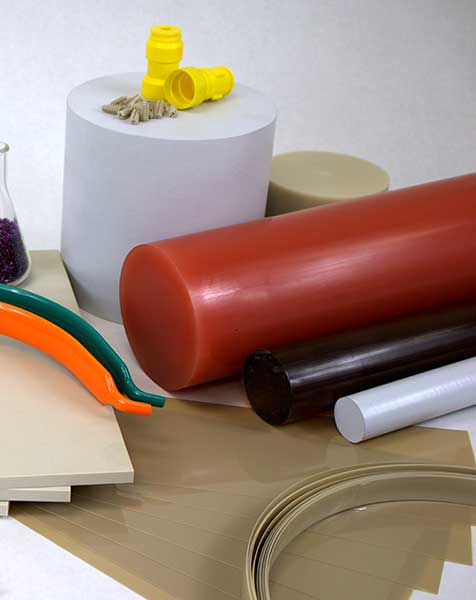
- **Genesis PEEK**, implantable grade PEEK stock, ASTM F2026 compliant, converted as extruded stock shapes, machined components and molded parts.
- **Genesis PEEK Film**, calendered implantable PEEK film for thin section elements within an assembly.
- **ZFUZE PEEK**, a PEEK based biomaterial where modified tissue interaction is the design driver.
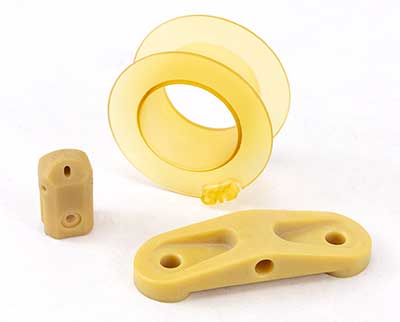
Because Genesis runs four conversion processes in one plant, the parts of an assembly can be converted by different routes without changing supplier. A machined component, a film layer and a molded element in the same system can come from one polymer source, one quality system and one set of process validations.
What Documentation Supports an Implantable Component?
The questions a submission asks of a converter are consistent: what was the material, which lot, what process converted it, was that process validated, and can the chain be reconstructed from the finished part back to the resin. A converter that can answer those five in writing is qualifiable. One that cannot is a risk regardless of its tolerances.
Implantable Applications
Genesis converted components appear in:
- **Spinal implants**, including interbody devices.
- **Orthopedic implants** and associated instrumentation.
- **Trauma fixation** components.
- **Cardiovascular devices.**
- **Dental implant components.**
Each application silo carries its own page with the detail.
What Documentation Does an Implantable System Require?
The documentation is the part that makes a set of parts a system, so it is worth setting out what a converter can and cannot supply.
A converter can supply material traceability to the resin lot, evidence that the conversion process was validated, dimensional inspection against the drawing, and a statement of compliance to the relevant material standard. Genesis PEEK stock is ASTM F2026 compliant and conversion processes carry IQ, OQ and PQ validation.
A converter cannot supply biocompatibility clearance for a finished device, a regulatory submission, or any claim that a device meets its intended use. Those belong to the device manufacturer, and a supplier offering them should be treated with suspicion rather than gratitude.
Why Single Sourcing Matters More for a System Than for a Component
A single component has one material, one process and one set of records. A system multiplies all three, and the multiplication is where programs lose time.
Consider an assembly with a machined structural element, a calendered film layer and a molded retainer. Sourced from three converters, that assembly carries three material certificates, three process validation packages, three quality systems and three sets of contact details when something goes wrong. Every one of those has to be reconciled before the assembly can be qualified as a unit.
Genesis runs stock shapes extrusion, film calendering, precision CNC machining and injection molding in one plant. The same assembly sourced from one converter carries one material chain, one quality system and one set of validated processes. The parts are no better. The qualification is materially simpler, and on an implantable program qualification is usually the critical path rather than manufacture.
How Does Material Selection Change at System Level?
At component level the question is which polymer meets the requirement. At system level two further questions appear.
Do the parts have to be the same material? Where parts are in contact and move against one another, matching materials can gall, and a deliberate mismatch is sometimes the right answer. That is a design decision, not a sourcing one, but it has to be made before the parts are quoted.
Do the parts have to share a thermal history? Where an assembly is bonded, welded or subjected to a common sterilization cycle, parts converted by different routes can behave differently, and the difference is set at conversion.
What Should an OEM Ask a Converter About an Implantable System?
Six questions, and the answers should be in writing.
Which of the required conversion routes do you run in house, and which do you subcontract. What is the registered scope of your quality system, in the certificate’s own words. What material standard does your stock comply with, and can you evidence it per lot. What process validation exists on the specific processes that will make these parts. What traceability travels with the shipment. And what happens, contractually, when a lot is rejected.
A converter that answers all six plainly is qualifiable. One that answers in adjectives is not.
Request a Quote for an Implantable Program
Send a drawing and the contact classification and Genesis will quote the conversion routes the assembly needs. Request a Quote, or Contact Our Experts to talk a specification through with an engineer. Call 281-255-6848.
FAQs for
What is an implantable polymer system?
What makes a polymer implantable grade?
Documented compliance to the relevant material standard, ASTM F2026 for polyetheretherketone stock intended for surgical implants, produced and converted under a device quality system with traceability from resin lot to finished part, on validated processes. The polymer chemistry alone does not make a grade implantable.
Does Genesis PEEK hold FDA approval?
No material holds FDA approval. Genesis Medical Plastics is an FDA registered site and Genesis PEEK stock is ASTM F2026 compliant. FDA clearance and approval apply to finished devices through the 510(k) and PMA pathways and are held by the device manufacturer.
Can Genesis convert an implantable component by more than one process?
Yes. Genesis runs stock shapes extrusion, film calendering, precision CNC machining and injection molding in one plant, so the elements of an assembly can be converted by different routes under one quality system and one set of process validations.