
What are the Benefits of Using Prototypes in Medical Device Development?
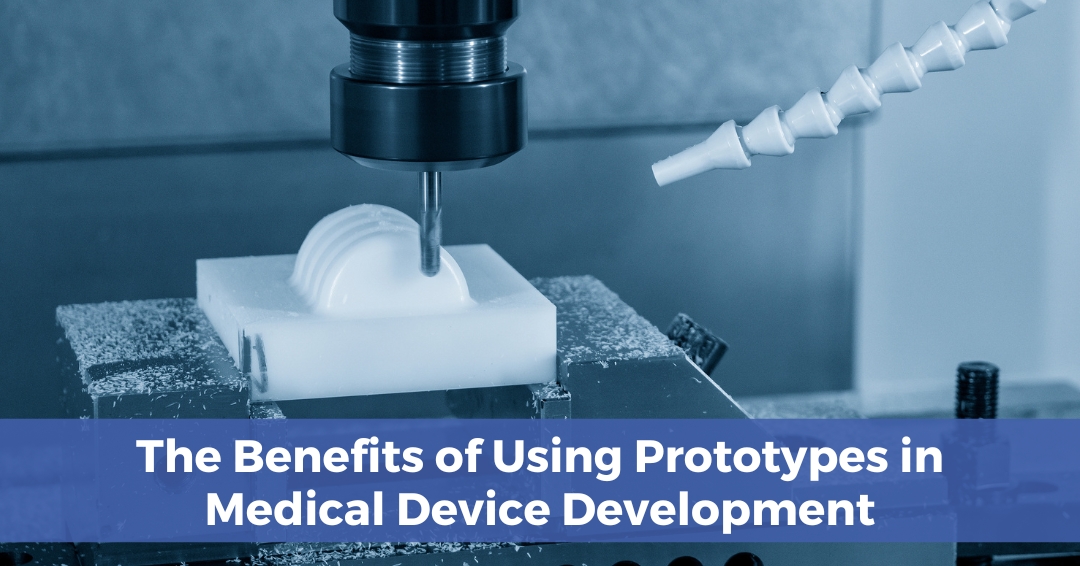
Prototypes serve as a beneficial tool in the development of a medical device, from the early design stage to the pilot and launch phases. With

Prototypes serve as a beneficial tool in the development of a medical device, from the early design stage to the pilot and launch phases. With

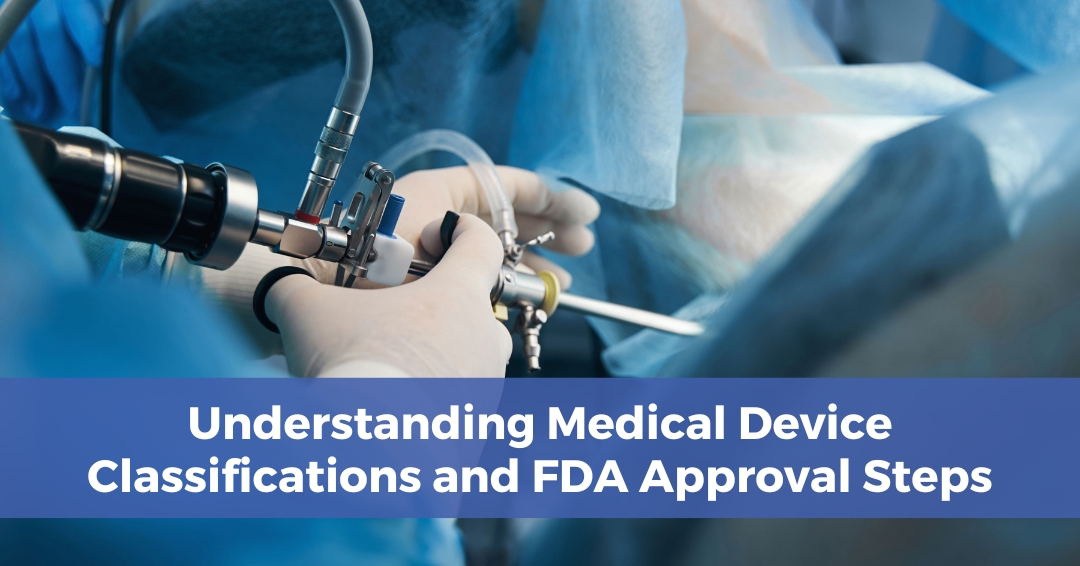
Before bringing a medical device to market, it must first pass through several regulatory checks overseen by the U.S. Food and Drug Administration (FDA). The

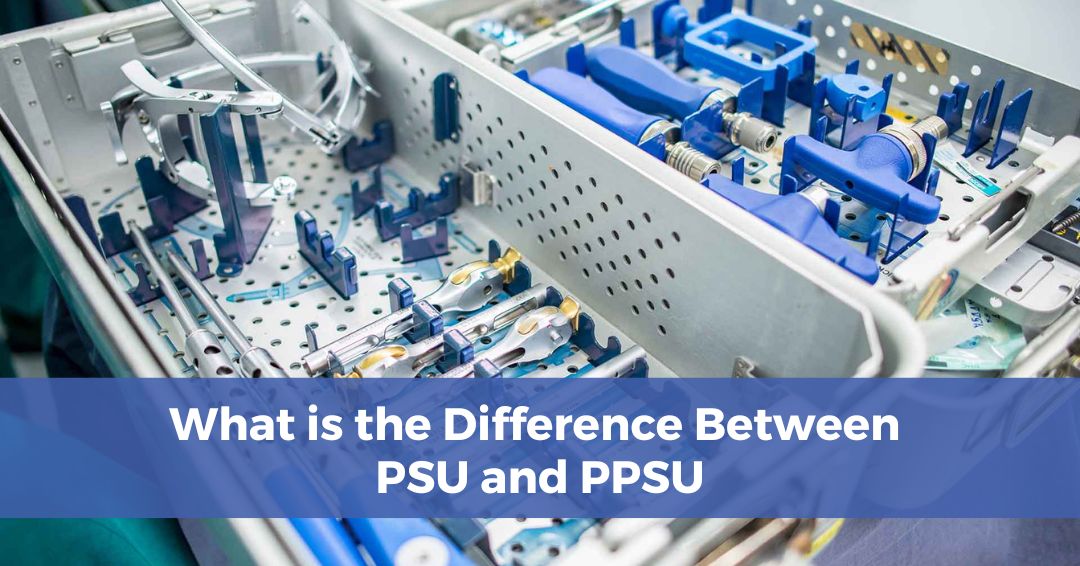
Polysulfone (PSU) and polyphenylsulfone (PPSU) are both members of the sulfone family of amorphous polymers. They are considered high performance plastics and are widely specified

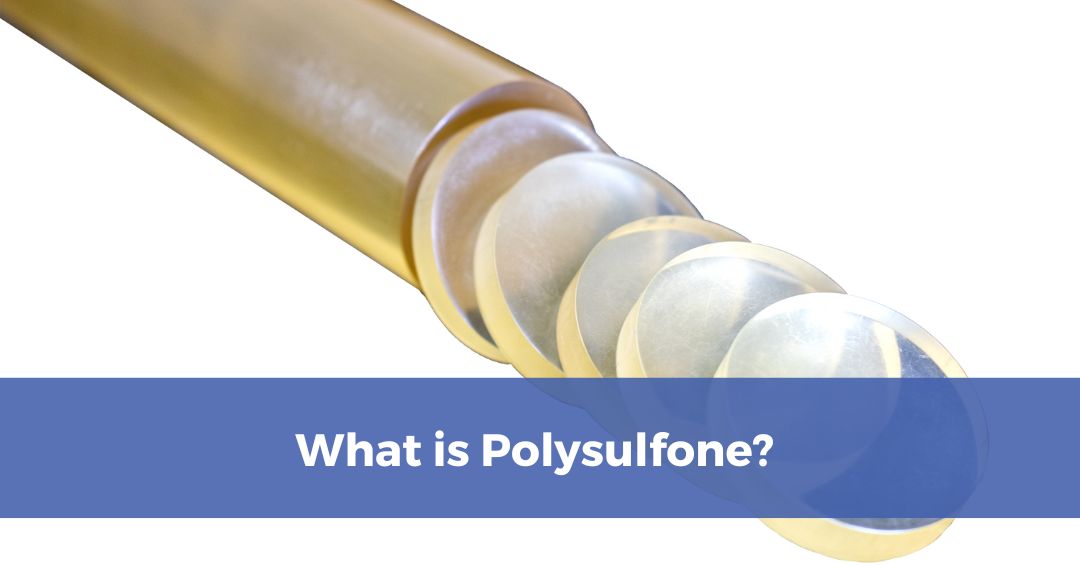
Polysulfone is a member of the sulfone polymer group, a class of engineering thermoplastics with excellent mechanical and thermal properties and the ability to resist

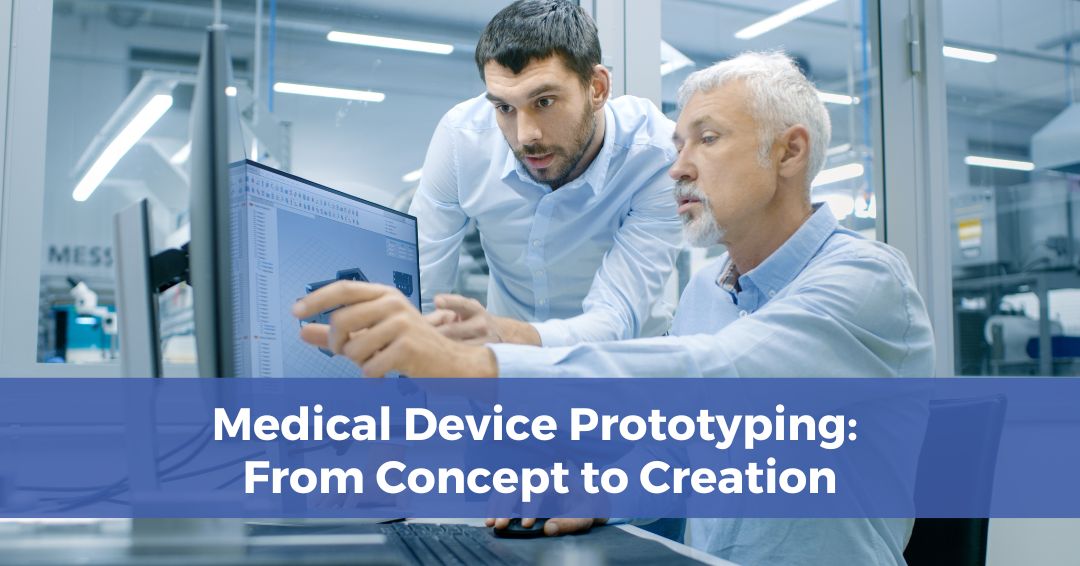
Medical device manufacturers rely on prototyping to convert a concept into a material form that gives designers, engineers and the marketing team an important first

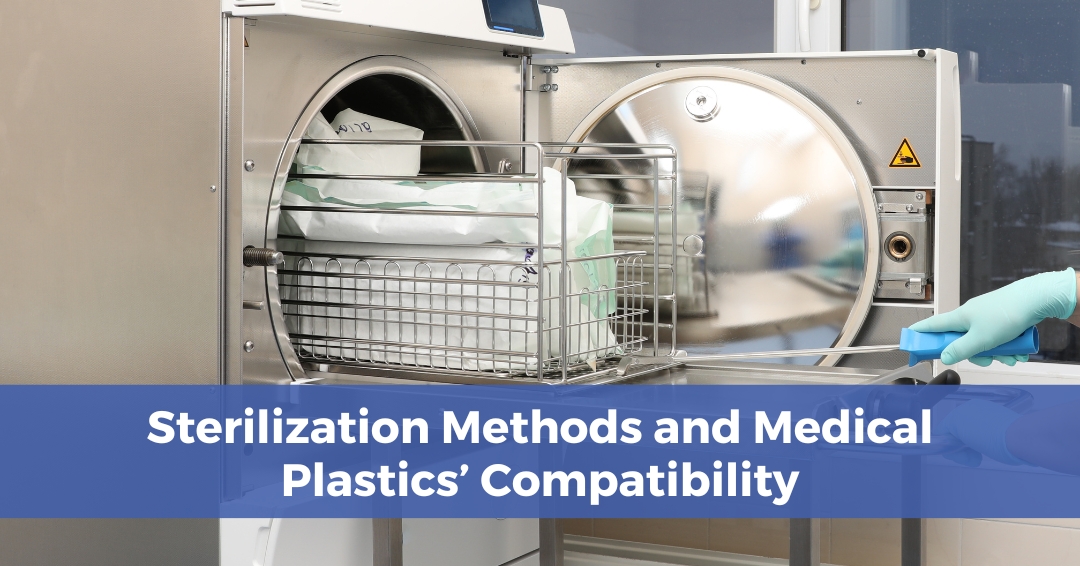
In hospitals, much is demanded of medical plastics. They must be safe, durable, comfortable to handle and cost effective. They must also be compatible with

Several polymers have been adopted for widespread use in medical devices, trays, instruments, and other applications used in hospitals, ambulatory surgery centers, as well as

Historically, health care facilities used metals or premium high-performance biocompatible plastics for surgical instruments that could be sterilized after each use. More and more, however,

The US Food & Drug Administration (FDA) is the primary regulatory body for medical plastics and the devices they are used to create. According to

Implantation testing is one of several biocompatibility tests, reserved for medical devices that are placed in the body’s internal tissue, bone or cavities. As such,